

How to Stop Septic Tank Clogs and Unpleasant Smells
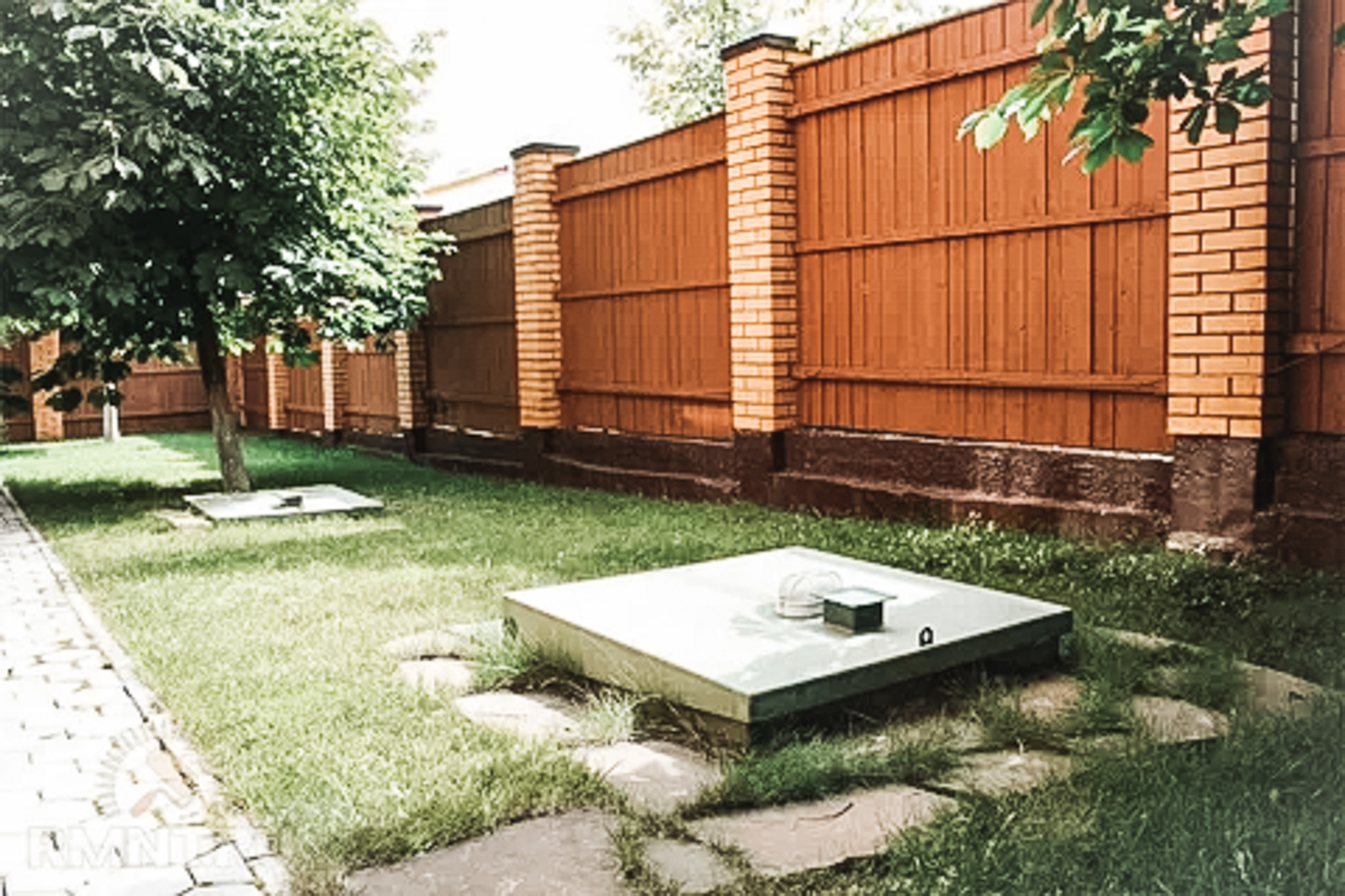
Dealing with a stinky septic system can be a significant nuisance, but understanding the causes of bad smells and blockages is key to addressing them effectively.
This not only improves your living environment but also reduces the maintenance costs associated with your septic system.
Common Causes of Septic Tank Clogs
Insufficient Bacterial Activity
The most crucial players in your septic system are the microorganisms that digest solid wastes.
However, these bacteria can be severely impacted by harsh chemicals found in many household cleaning products used in sinks, toilets, and showers.
When bacterial levels drop, solid wastes accumulate, leading to clogs, and the waste digestion process may halt, causing unpleasant odors.
Later in this article, we will provide recommendations for products that can help enhance this bacterial environment, ensuring your septic system remains healthy and efficient.
Grease and Soap Buildup
Another frequent culprit is the buildup of fats and soaps, which not only clog the system but also hinder the flow of liquid waste.
This problem is exacerbated if your plumbing lacks grease traps or separate settling basins for kitchen effluents.
Installing a grease trap or cleaning existing traps regularly can significantly reduce the occurrence of these blockages.
Jelly-Like Sludge Overflows
In some cases, the sludge in the tank can become jelly-like, overflowing and clogging the system.
This scenario often requires the introduction of specific bioactive agents that can break down the sludge, provided the use of household chemicals is also reduced.
This ensures that the treatment is effective and that the septic system can return to normal operation.
Why Does Your Septic Tank Smell Bad?
Unpleasant odors emanating from your septic tank can disrupt the comfort of your home environment.
While these smells are a common complaint, their causes can be pinpointed and remedied with the right approach.
Poor Bacterial Health
The health of the bacteria in your septic tank is paramount. If these bacteria die off due to the introduction of harmful chemicals, like certain household cleaners, or if the tank is not regularly maintained, the waste digestion process halts, and odors develop.
Ventilation Issues
A properly designed septic system should vent any unpleasant odors away from your home.
However, if the vent stack (or stink pipe) is missing, incorrectly installed, or blocked, gases that should escape are forced back into your home.
Ensuring that your septic system has a functioning vent stack and that it is free from obstructions is critical to controlling odors.
System Breaches
Leaks in your septic tank or the pipes leading to and from it can cause odors to seep into the surrounding soil and eventually into the air around your home.
These leaks could be due to poor maintenance, damage, or improper installation.
Regular inspections can help catch and repair any breaches before they become a bigger problem.
Overloading the System
Heavy rain or overuse of water in your home can flood your septic system, overwhelming the bacteria and causing untreated waste to rise to the top and decompose anaerobically, which can be quite smelly.
Moderating water use during heavy rainfall and ensuring your septic tank is adequately sized for your household are vital steps in preventing this issue.
Mechanical Failures
Components like compressors and aerators help maintain the right conditions for the aerobic bacteria that break down waste.
If these components fail, the bacteria can't do their job effectively, leading to a buildup of smelly gases.
Regular maintenance checks can ensure these components are functioning correctly.
Methods to Prevent Clogs and Unpleasant Odors
Keeping your septic system free of clogs and odors doesn't just enhance your quality of life — it also extends the life of your septic system.
Here are some practical methods to keep your septic tank in good working order:
Regular Maintenance and Inspections
Regularly inspecting and maintaining your septic tank is crucial to prevent issues before they start.
This includes pumping out the tank every 3 to 5 years, depending on usage, and checking for leaks or damages that could lead to clogs or odors. Additionally, ensure that your tank's venting system is clear of any blockages to allow gases to escape properly.
Use of Bioactivators
Bioactivators are crucial allies in maintaining the health and efficiency of your septic system.
These biological products help restore and enhance the biological processes necessary for the breakdown of organic waste, thereby preventing clogs and controlling odors.
By introducing bioactivators into your septic system, you promote the growth and activity of beneficial bacteria and enzymes that naturally decompose waste materials.
Recommended Product:SEPTIFIX
If you're looking for a specific recommendation, SEPTIFIX tablets are an excellent choice for supporting the natural decomposition process within septic tanks.
Each 55-gram tablet is packed with 14 strains of aerobic bacteria, boasting over 10 billion bacteria strains per gram. These tablets also contain oxygenation and pH-regulating compounds to create an ideal environment for bacterial growth.
The combination of these components is designed to significantly boost the activity and growth of beneficial bacteria colonies within your septic tank.
This allows them to thrive for up to 90 days, ensuring continuous and effective breakdown of waste, thus preventing the accumulation that can lead to clogs and odors.
Incorporating SEPTIFIX or similar bioactivators into your regular septic maintenance routine can greatly enhance the system’s efficiency, reduce the need for frequent pump-outs, and contribute to a healthier, odor-free septic system.
For more information about SEPTIFIX, click here.
Proper Waste Disposal Practices
What goes down your drains has a significant impact on your septic system.
Avoid disposing of non-biodegradable materials such as feminine hygiene products, baby wipes, and cooking grease.
These materials can cause severe clogs and disrupt the bacterial balance in the tank.
Installation of Grease Traps
Grease is a leading cause of septic system failures.
Installing grease traps especially for outlets that handle a lot of oils (like kitchen sinks) can prevent fats from entering and solidifying in your septic system, which is a common cause of blockages.
Conclusion
Maintaining a septic system is not just about avoiding inconvenience; it's also about preserving the health and safety of your home environment.
By understanding the causes of clogs and odors and implementing effective prevention strategies, you can ensure that your septic system functions efficiently for years to come.
Regular maintenance checks, mindful waste disposal, and the strategic use of bioactivators are key to preventing common septic system issues.
These practices not only extend the lifespan of your septic system but also contribute to a more sustainable and environmentally friendly waste management approach.
Remember, the best way to deal with septic system problems is to prevent them before they start.
A little attention and care can save you from future headaches and costly repairs.
Stay proactive about your septic system’s health and it will serve you well, keeping your home clean and odor-free.
© Wise Home Hacks
Sign up to Elevate Your Living Space
We HATE spam. Your email address is 100% secure